You finally got diagnosed, picked up your CPAP machine, and left the clinic with whichever mask happened to be in stock that day. Three weeks later you’re waking up with red marks across your cheeks, air is hissing out near your eyes, or you keep ripping the whole thing off at 3am without remembering why. If that sounds familiar, the mask was probably never matched to how you actually sleep.
There isn’t one “best” CPAP mask. The right choice depends mainly on whether you breathe through your nose or your mouth at night, what position you sleep in, how high your prescribed pressure is, and what your face can tolerate for six to eight hours. Get those four things right and comfort follows. Get them wrong and even the most expensive mask on the market will end up in a drawer.
What are the three main types of CPAP masks?
CPAP masks fall into three broad categories, and each one covers a different amount of your face.
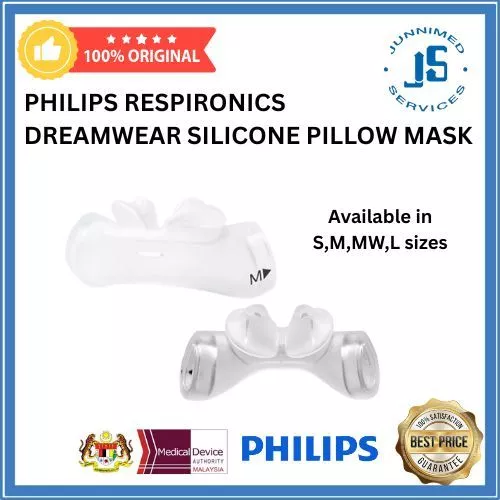
– Nasal pillow masks sit just under the nostrils with two soft silicone inserts. They’re the smallest and lightest option, with almost no contact on the cheeks or bridge of the nose.
– Nasal masks cover the whole nose, from the bridge down to just above the upper lip, and sit inside a soft cushion.
– Full face masks cover both the nose and the mouth, usually held on with a wider strap system.
Nasal pillows suit people who want minimal contact and don’t move around much in their sleep. Nasal masks are the middle ground, more coverage and stability than pillows, less bulk than a full face mask. Full face masks exist for one main reason: they work for people who breathe through their mouth, which a nose-only mask simply cannot manage.
Which CPAP mask is best if you breathe through your mouth?
If you breathe through your mouth at night, a full face mask is usually the right starting point, because nasal and nasal pillow masks only deliver air through the nose. If your mouth falls open during sleep, that pressurised air has nowhere useful to go and therapy effectiveness drops.
Some people who breathe nasally during the day still mouth-breathe once asleep, often because of nasal congestion, allergies, or a deviated septum. A common workaround is a nasal or nasal pillow mask paired with a chin strap to keep the jaw closed, and this can work well for some patients. But if you wake up with a bone-dry mouth and throat most mornings, or your partner mentions your mouth hangs open through the night, a full face mask is worth discussing with your provider before you spend weeks troubleshooting a nasal setup that was never going to hold.
Which mask works best if you’re a side sleeper or a restless sleeper?
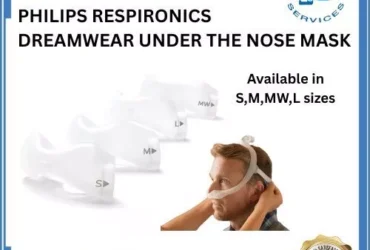
Low-profile masks with minimal frame, mainly nasal pillow and slim nasal designs, tend to hold up better for side and stomach sleepers because there’s less bulk to get pinned against a pillow. Philips DreamWear, for example, routes the tubing over the top of the head rather than out the front, which keeps the hose out of the way when you roll onto your side.
If you toss and turn a lot, look for a mask with a swivel connector and a headgear system that redistributes over your whole head rather than pulling from one point. A mask that shifts every time you move will leak, and a mask that leaks all night is a mask most people quietly stop wearing.
Does your CPAP pressure affect which mask you need?
Yes. Higher prescribed pressures, which are more common with APAP or BiPAP therapy for moderate to severe sleep apnea, need a mask seal that can hold up under stronger airflow without shifting or ballooning out. Nasal pillow masks can start to feel uncomfortable at higher pressures because the seal sits directly against the nostril tissue, and some patients find a nasal or full face mask more stable once their pressure setting climbs.
There’s no fixed cutoff pressure where one mask type suddenly stops working, and plenty of patients run high pressures comfortably on a nasal mask. It’s a fit-and-seal question more than a hard rule, which is exactly why a proper mask fitting session with your prescribed pressure already set matters more than picking from a photo online.
How much do CPAP masks cost in Malaysia?
CPAP masks in Malaysia typically range from around RM 400 for a basic nasal pillow mask to RM 900 and above for a full face mask with premium cushioning and headgear, with pricing depending on the brand, cushion material, and whether it includes features like quick-release clips or a magnetic headgear connector. Cushions and headgear also wear out well before the mask frame does. Silicone cushions generally need replacing every three to six months with regular use, and headgear straps lose their elasticity over time, both of which quietly cause leaks that get blamed on the “wrong mask” when the real issue is worn-out parts.
What if your current mask still doesn’t feel right?
If you’ve been on the same mask for a few weeks and it’s still uncomfortable, that’s a reason to get it reassessed, not a reason to assume CPAP isn’t for you. A mask that leaves marks, leaks constantly, or gets pulled off in your sleep almost always points to a fit or type mismatch rather than a flaw in CPAP therapy itself. Bring the mask back in, describe exactly what’s bothering you (where it presses, when it leaks, whether it’s your nose or your mouth causing the problem), and get refitted against your actual pressure setting.
Getting fitted properly matters more than the mask itself
CPAP is considered the gold-standard treatment for obstructive sleep apnea because it effectively manages the condition for as long as it’s used consistently, and consistent use starts with a mask you can actually tolerate. If nightly discomfort, marks, or leaks have you avoiding your machine, that’s worth raising with a doctor or your equipment provider rather than pushing through it alone.
This is where a lot of CPAP journeys go wrong outside of a proper clinical setup: patients get handed a mask once and never revisit the fit. At Junnimed, mask fitting isn’t a one-time transaction. Our team, as an authorised Philips dealer, works through your breathing pattern, sleep position, and pressure setting with you, and supports you afterward if something still isn’t sitting right, whether that’s a cushion swap, a headgear adjustment, or moving to a different mask type entirely.
Philips’ respiratory range covers all three mask categories, from the nasal pillow style Philips DreamWisp through to full face options, so there’s usually a configuration that fits before you need to change machines or pressure settings at all.
Ready for a proper mask fitting? Book a consultation with Junnimed’s team to get matched to the right Philips mask for your breathing pattern and pressure setting, or browse our CPAP mask range to see what’s available.
