In the wellness-driven landscape of 2026, we are more obsessed with “optimizing” our health than ever. Yet, despite tracking our sleep cycles and using the latest apps, many Malaysians are still waking up feeling like they’ve barely rested. Why? Because we are often acting on outdated, and sometimes dangerous, advice.
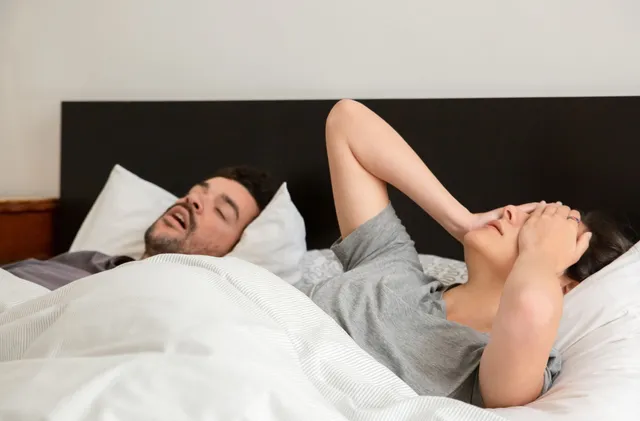
As the team at Junnimed KL, we encounter these misconceptions daily. Let’s debunk the top five sleep myths that are likely sabotaging your energy.
Myth 1: “I Can Catch Up on Sleep Over the Weekend”
This is the classic “sleep debt” fallacy. You cannot “pay back” the hours lost during a frantic work week by sleeping until noon on Sunday. In fact, doing so creates social jetlag, shifting your circadian rhythm and making it even harder to fall asleep on Sunday night, which leads to a “Monday Morning Crash”.
- The Reality: Consistency is the only true way to anchor your energy levels.
Myth 2: “Snoring is Just a Sign of Deep Sleep”
If you’ve heard this, please ignore it. Loud, disruptive snoring is not a sign that you are sleeping well; it is a sign that your airway is struggling to stay open.
- The Reality: Snoring is often a primary symptom of Obstructive Sleep Apnea (OSA). If that snoring is accompanied by gasping or morning fatigue, it isn’t “deep sleep”—it’s your body fighting to breathe.
Myth 3: “Alcohol Helps Me Fall Asleep Faster”
A “nightcap” might help you lose consciousness quickly, but it destroys your sleep quality. Alcohol acts as a muscle relaxant, causing the soft tissues in your throat to collapse more easily, which severely worsens sleep apnea.
- The Reality: You might fall asleep, but you won’t get the restorative REM sleep your brain needs for memory and emotional regulation.
Myth 4: “I Don’t Need a Sleep Study Because I Don’t Snore”
Many patients assume they don’t have apnea because they aren’t “loud” snorers. However, Silent Apnea is very real. Your airway can partially collapse without a sound, leading to oxygen dips that stress your heart without you ever knowing.
- The Reality: Daytime fatigue is often a better diagnostic marker than the volume of your snoring.
Myth 5: “CPAP Machines are Only for the Elderly”
In 2026, CPAP technology has evolved. It’s no longer the bulky, intrusive gear of the past. Today’s systems, like the Philips DreamWear, are sleek, quiet, and designed for active, modern professionals.
- The Reality: Treating sleep apnea is an investment in your career and longevity, regardless of your age.
Q: Does consistent sleep really matter more than total hours?
u003cstrongu003eA:u003c/strongu003e Yes. An irregular schedule disrupts your body’s hormone production (like cortisol and melatonin). A steady 6-7 hours is often more restorative than an erratic 9-hour cycle.
Q: Why do I feel worse after sleeping u0022too longu0022?
u003cstrongu003eA:u003c/strongu003e Sleeping in disrupts your circadian rhythm, causing u0022sleep inertiau0022. This grogginess can linger for hours, impacting your productivity.
Q: Is CPAP the only solution for Sleep Apnea?
u003cstrongu003eA:u003c/strongu003e Not necessarily. While CPAP is the gold standard for maintaining airway pressure, ENT specialists may also consider nasal treatments, oral appliances, or airway procedures depending on your anatomy.
Ready to Stop the Myths and Get the Truth?
At Junnimed KL, we believe in data-driven health. If you’re tired of guessing, we’re here to help you get the answers.
- Chat with our specialists on WhatsApp
- Explore our Philips CPAP range
Related Reading
Keep exploring: browse more Sleep Apnea & Diagnosis articles, or check our FAQ page for common questions about CPAP therapy.
