In our quest for productivity and wellness in 2026, we often overlook the most fundamental biological process: breathing. While we focus on gym routines and clean eating, certain “innocent” daily habits could be putting a massive strain on your lungs and airway, leading to chronic fatigue and Obstructive Sleep Apnea (OSA).
If you feel like you’re constantly “short of breath” or waking up exhausted, check if these five daily habits affecting sleep are part of your routine.
1. The “Late-Night Feast” Habit
In Malaysia, supper culture is part of our DNA. however, eating a heavy, oily meal within three hours of bedtime is a disaster for respiratory health.
- The Science: A full stomach pushes against your diaphragm, restricting the space your lungs have to expand. Furthermore, acid reflux (GERD)—common after late meals—can irritate the throat and cause inflammation, making your airway more likely to collapse during sleep.
2. Mouth Breathing vs. Nasal Breathing
Are you a “mouth breather” during the day? If you find your mouth hanging open while working or watching TV, you are bypassing your body’s natural filtration system.
- The Science: The nose filters, warms, and humidifies the air you breathe. Mouth breathing delivers cold, dry, and unfiltered air directly to the lungs, which can lead to inflamed airways and a higher risk of snoring at night.+1
3. Excessive “Blue Light” and Sleep Fragmentation
We all know blue light keeps us awake, but did you know it affects your breathing rhythm?
- The Science: Poor sleep hygiene delays the onset of deep sleep. When you finally fall asleep, your body tries to “catch up” by entering deeper stages of sleep too quickly, which can cause the throat muscles to relax excessively, triggering apnea events (breathing pauses).
4. The “Sedentary Desk” Slouch
Hunching over a laptop for 8 hours a day does more than hurt your back—it crushes your lung capacity.
- The Science: Slumping compresses the ribcage and prevents the diaphragm from moving fully. Over time, this “shallow breathing” habit weakens the respiratory muscles, making it harder for your body to maintain a clear airway when you finally lie down to sleep.+1
5. Ignoring the “Festive” Nightcap
A glass of wine or beer might help you fall asleep faster, but it ruins the quality of that sleep.
- The Science: Alcohol is a potent muscle relaxant. It causes the tissues in your upper airway to become “floppy,” turning a quiet sleeper into a heavy snorer and significantly increasing the frequency of oxygen drops during the night.
The Hidden Link: When Habits Hide a Medical Condition
You might try to fix your posture or stop eating late, but if you have already developed Sleep Apnea, these habit changes are only half the battle. If you still wake up with a dry mouth, morning headaches, or a “foggy” brain, the issue isn’t just your habits—it’s your airway.
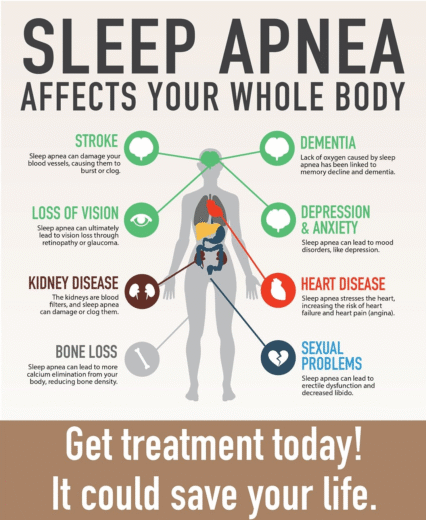
According to the World Sleep Society, untreated respiratory obstructions during sleep are a primary driver of long-term heart and metabolic disease.
Stop Guessing. Start Breathing.
The best way to “spring-clean” your health for 2026 is to see exactly what happens to your breathing when you’re unconscious. At Junnimed KL, we provide professional, medical-grade diagnostic tools to help you identify the root cause of your fatigue.
Take the Next Step Toward Vitality:
- 📊 Book a Home Sleep Study: Get a detailed report of your oxygen levels and breathing events from the comfort of your own bed.
- 💬 Personalized Consultation: Our specialists will review your habits and data to recommend the right Philips CPAP solution or mask fit.
- 📱 WhatsApp Junnimed KL: Click here to chat with us and book your sleep analysis today.
Related Reading
Keep exploring: browse more Sleep Health & Lifestyle articles, or check our FAQ page for common questions about CPAP therapy.
